Comprehensive Guide to Mobile Dental Clinic Cost and Its Impact on Modern Healthcare
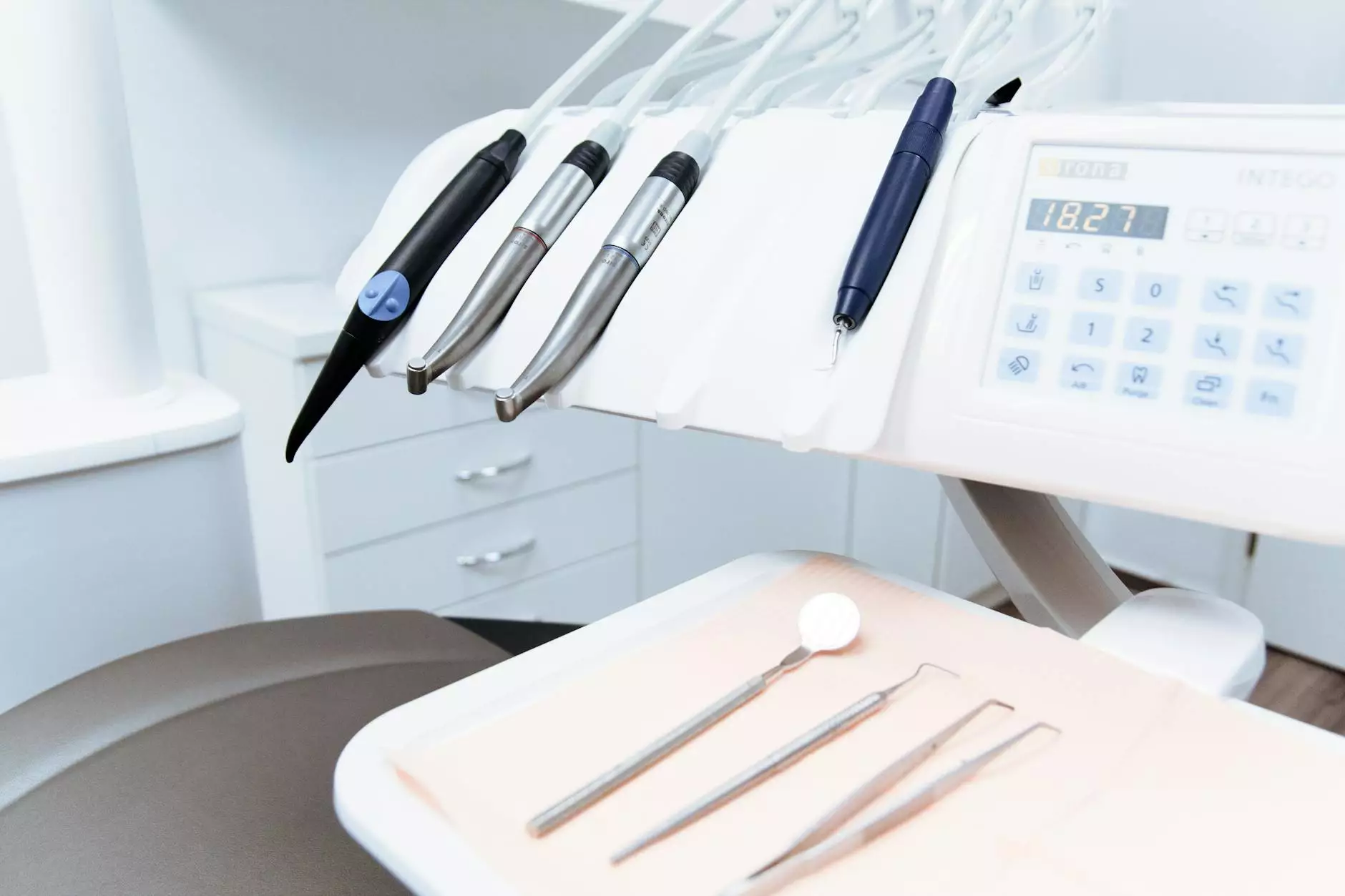
In today's rapidly evolving healthcare landscape, mobility and accessibility are at the forefront of innovative medical service delivery. Among these advancements, mobile dental clinics have emerged as a pivotal solution, bridging gaps in dental care accessibility for underserved populations, remote communities, and busy urban centers. As healthcare providers strive to deliver quality dental services efficiently, understanding the mobile dental clinic cost becomes essential for stakeholders, patients, and healthcare organizations alike.
Understanding Mobile Dental Clinics: A Revolutionary Approach to Dental Healthcare
What Are Mobile Dental Clinics?
Mobile dental clinics are specially equipped vehicles, often vans or trailers, that have been transformed into fully-functional dental treatment centers. These mobile units carry the necessary dental equipment, sterilization tools, and digital systems to perform a wide range of dental procedures on-site. They enable dentists and healthcare providers to deliver preventive, diagnostic, and treatment services directly within communities, schools, workplaces, or remote regions.
Key Features of Mobile Dental Clinics
- Fully Equipped Treatment Rooms: Containing dental chairs, X-ray machines, sterilization stations, and dental instruments.
- Advanced Technology Integration: Digital imaging, patient management systems, and telehealth capabilities facilitate efficient care.
- Flexibility & Mobility: Able to traverse various terrains and reach populations with limited access to traditional clinics.
- Eco-Friendly Design: Incorporating energy-efficient systems and environmentally conscious materials.
The Significance of Mobile Dental Clinics in Modern Healthcare
Addressing Accessibility & Equity
One of the most profound benefits of mobile dental clinics is their ability to extend dental care to underserved communities—including rural areas, low-income neighborhoods, and educational institutions lacking permanent dental facilities. This approach reduces barriers related to transportation, cost, and awareness, ensuring that vulnerable populations receive timely dental attention.
Enhancing Preventive Care & Education
Mobile clinics serve as vital platforms for preventive dental services and oral health education, particularly for children, seniors, and at-risk groups. Regular check-ups, fluoride treatments, and oral hygiene workshops can significantly reduce the prevalence of dental diseases, thereby lowering overall healthcare costs.
Cost-Effectiveness & Population Health Strategies
By bringing services directly to communities, mobile dental clinics help mitigate the high expenses associated with emergency dental treatments and hospitalization. Preventive care delivered via mobile units can substantially decrease the burden on traditional dental offices and hospitals, creating a more cost-effective health economy.
Exploring the Mobile Dental Clinic Cost: Factors and Considerations
What Influences the Cost of a Mobile Dental Clinic?
The mobile dental clinic cost varies widely depending on several critical factors. Understanding these components is crucial for health administrators, private practitioners, and investors seeking to incorporate mobile units into their service networks.
1. Vehicle Type and Size
The choice between a van, truck, or trailer significantly impacts the initial capital investment. Larger units with extensive equipment capabilities tend to cost more but facilitate a broader scope of services.
2. Equipment and Technology
State-of-the-art dental chairs, imaging systems, sterilization units, and digital records contribute to the overall cost. High-quality, durable equipment ensures safer, more efficient care but increases the initial investment and ongoing maintenance expenses.
3. Customization and Interior Fit-out
Tailoring the mobile clinic interior for specific services, accessibility needs, or branding requirements influences the overall cost. Customized solutions may involve specialized cabinetry, ergonomic layouts, and patient comfort features.
4. Licensing, Permits, and Regulatory Compliance
Adhering to local health department standards, safety regulations, and vehicle registration entails costs related to licensing, inspections, and certifications, which are essential for legal operation.
5. Operational & Maintenance Expenses
Fuel, insurance, routine maintenance, staffing, and supplies are ongoing expenses that contribute to the total cost. A well-managed operational budget ensures sustainable delivery of services.
Estimated Price Ranges for Mobile Dental Clinics
Based on current market data, the cost of a mobile dental clinic can range from approximately $100,000 to over $300,000. Entry-level, smaller units equipped for essential services tend to fall in the lower range, while full-service, feature-rich vehicles for comprehensive dental care fall into higher price brackets.
Cost-Benefit Analysis: Why Investing in a Mobile Dental Clinic Is Worth It
Economic Advantages for Healthcare Providers
- Expanding Service Reach: Tap into new markets and underserved areas.
- Reducing Overhead Costs: Minimize expenses related to brick-and-mortar leases and facility upkeep.
- Enhancing Revenue Streams: Offer multi-modal services, including preventive, restorative, and emergency care.
Patient-Centric Benefits
- Lowered Access Barriers: Eliminates transportation and scheduling challenges.
- Improved Oral Health Outcomes: Encourages regular visits leading to early detection and prevention.
- Convenience & Comfort: Brings care directly to the patient's doorstep or community setting.
Integrating Mobile Dental Clinics Within Broader Healthcare Strategies
Partnerships with Educational & Community Organizations
Collaborating with schools, community centers, and local health agencies amplifies the impact of mobile dental services. These partnerships foster public health campaigns, vaccination drives, and health awareness initiatives.
Telehealth & Remote Consultations
Combining mobile clinics with digital communication tools allows for follow-up care, remote diagnostics, and patient education, further enhancing service quality and efficiency.
Funding & Financial Support Opportunities
Government grants, non-profit funding, and private investments are avenues to offset mobile dental clinic cost, making it more feasible for providers to launch and sustain mobile programs.
Conclusion: The Future of Dental Healthcare with Mobile Clinics
As healthcare continues to shift towards more personalized, accessible, and cost-effective models, mobile dental clinics are positioned to be a central component in achieving these goals. Understanding and managing the mobile dental clinic cost appropriately allows healthcare providers to deliver superior oral health services while maintaining fiscal responsibility.
Investing in a mobile dental clinic not only enhances community health outcomes but also represents a strategic move towards innovative healthcare delivery. With advancements in vehicle technology, digital health integration, and supportive funding opportunities, mobile dental clinics are set to redefine how we think about preventive and restorative dental care—making it more inclusive, affordable, and efficient for all.
For organizations considering implementing a mobile dental service, careful planning around the costs, equipment, staffing, and partnerships is essential. By doing so, they can maximize the benefits of this transformative healthcare approach, ultimately improving patient lives and fostering healthier communities.