Understanding the Role of an Architecture Agency
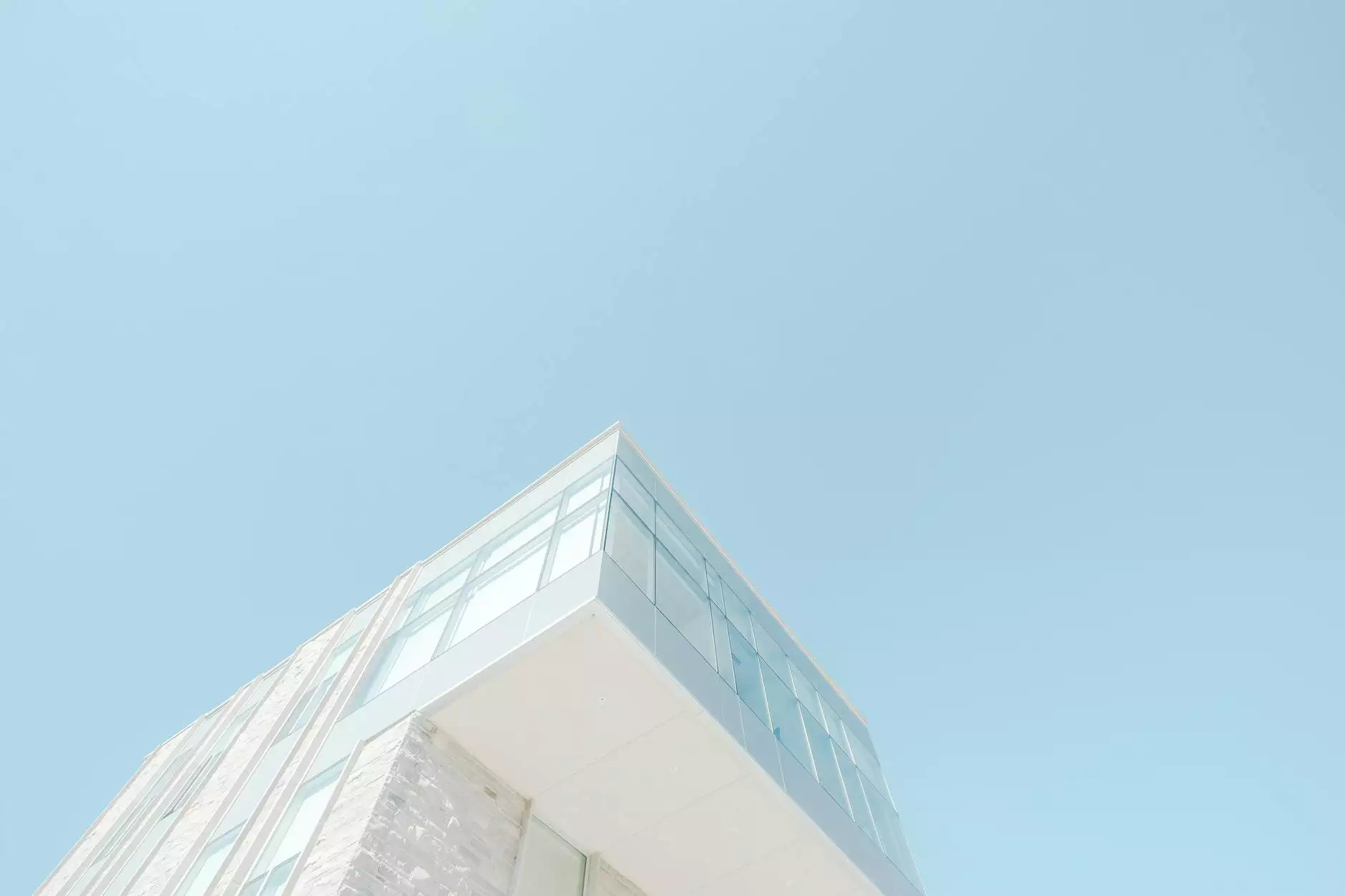
The architecture agency plays a crucial role in the realization of various construction and design projects, from residential homes to sprawling commercial complexes. With the right agency, clients can expect a harmonious blend of aesthetic excellence and functional efficiency. In this article, we delve into the core aspects that make an architecture agency not just a service provider but a partner in realizing your dreams.
What Exactly is an Architecture Agency?
At its essence, an architecture agency consists of a team of trained professionals who specialize in the art and science of building design. These experts are equipped with the knowledge, creativity, and technical skills necessary to transform a client's vision into reality. Their responsibilities extend beyond mere design; they manage the entire process, ensuring that every element meets industry standards and client expectations.
Key Services Offered by Architecture Agencies
- Concept Development: Initial brainstorming sessions to create unique design concepts.
- Project Planning: In-depth analysis of resources, timelines, and budgets.
- Interior Design: Crafting functional and visually appealing indoor spaces.
- Site Analysis: Assessing locations for structural integrity and environmental impact.
- Construction Management: Overseeing the construction phase for quality assurance.
- Collaborations with Engineers: Working alongside civil and structural engineers to ensure stability and safety.
- Regulatory Compliance: Assisting clients with local regulations and zoning laws.
Choosing the Right Architecture Agency for Your Project
When embarking on a construction or renovation project, selecting the right architecture agency is paramount. Below are critical factors that should guide your decision-making process:
1. Experience and Expertise
Consider the agency’s track record. An architecture agency with years of experience will have a profound understanding of various styles, materials, and methods. Review their portfolio to assess the diversity and complexity of their past projects.
2. Client Reviews and Testimonials
What do previous clients say about their experience? Check online ratings and testimonials to gauge overall satisfaction and reliability. Positive feedback is often indicative of a company's dedication to delivering exceptional service.
3. Design Philosophy and Style
Every architecture agency has its unique design philosophy. It's essential to select an agency whose design style aligns with your vision. Whether you prefer modern aesthetics or traditional craftsmanship, finding a compatible agency will foster a more productive collaboration.
4. Cost Transparency
Budget constraints are a reality in any project. A good architecture agency will provide detailed estimates and remain transparent regarding costs. Be aware of any hidden fees and ensure that you understand how the pricing is structured before signing an agreement.
5. Communication Skills
Effective communication is vital for the success of any project. Choose an agency that keeps you informed throughout the process and is open to your ideas and concerns. This collaborative spirit often leads to the best outcomes.
Understanding the Workflow of an Architecture Agency
The workflow of an architecture agency can be intricate, as it involves several phases. Here’s a breakdown of the typical process:
1. Initial Consultation
The journey begins with an initial meeting where clients share their ideas, budget, and project requirements. This stage is critical for aligning visions and expectations.
2. Design Development
Once the agency has a clear understanding of the project, they begin crafting preliminary designs. This phase involves sketches, 3D models, and mood boards that help visualize the concept.
3. Refinement and Feedback
After presenting the initial designs, the agency gathers client feedback. Revisions are made to ensure the project is heading in the right direction.
4. Finalization and Documentation
Once the designs are finalized, the agency prepares the necessary documentation. This includes detailed plans, specifications, and drawings required for construction.
5. Construction Oversight
With documentation in hand, the agency may oversee the construction phase. They ensure that builders adhere to the design specifications and quality standards.
Architecture Agencies and Sustainable Design
Today, sustainability plays a pivotal role in architecture. An ethical architecture agency prioritizes environmentally friendly practices, focusing on energy efficiency, sustainable materials, and minimizing the ecological footprint of their designs.
Why Choose Sustainable Architecture?
- Reduced Energy Costs: Sustainable designs often lead to significant savings on utilities.
- Enhanced Comfort: Healthy materials and proper ventilation improve indoor air quality.
- Increased Property Value: Eco-friendly buildings frequently have a higher resale value.
- Positive Community Impact: Sustainable projects contribute to the well-being of the community.
Innovations in Architecture: The Role of Technology
Technology has taken the architecture field by storm, revolutionizing how architects and designers work. From Building Information Modeling (BIM) to virtual reality walkthroughs, technology enhances precision, creativity, and client engagement.
Benefits of Technology in Architecture
- Improved Visualization: Clients can experience the space before it is built, making it easier to make decisions.
- Enhanced Collaboration: Modern tools allow for streamlined communication between all parties involved.
- Increased Accuracy: Technology reduces human error, keeping projects on track and within budget.
The Future of Architecture: Trends to Watch
As we advance further into the 21st century, several architectural trends are emerging that are likely to reshape the industry. Here are a few noteworthy trends:
1. Modular and Prefabricated Construction
With a focus on efficiency, modular and prefabricated construction are changing the landscape of architecture. These methods allow for quicker build times and often come at reduced costs.
2. Biophilic Design
Integrating nature into building design has proven psychological benefits. Biophilic design emphasizes natural lighting, green walls, and outdoor spaces to enhance occupants’ well-being.
3. Smart Buildings
With the rise of the Internet of Things (IoT), smart buildings are transforming how we interact with spaces. These buildings utilize technology to optimize energy use and enhance comfort.
Conclusion: Building Your Vision with an Architecture Agency
Engaging with a professional architecture agency is an investment in your vision, transforming dreams into tangible structures that enhance human experiences. From initial consultations to project completion, a proficient agency acts as a guide, ensuring that each aspect is executed flawlessly. By prioritizing your unique needs and leveraging their expertise, you can achieve remarkable results that stand the test of time.
Why STHCONS? Your Ideal Architecture Agency
At STHCONS.com, we embody the principles of excellent architectural service. Our commitment to innovation, sustainability, and unparalleled design ensures that we remain at the forefront of the architecture industry. With a robust portfolio in Interior Design and expertise in diverse architectural projects, we invite you to collaborate with us to bring your vision to life.