Revolutionizing Urban Cleanup: The Future of Street Sweeper Machine Manufacturing through Advanced 3D Printing Technology
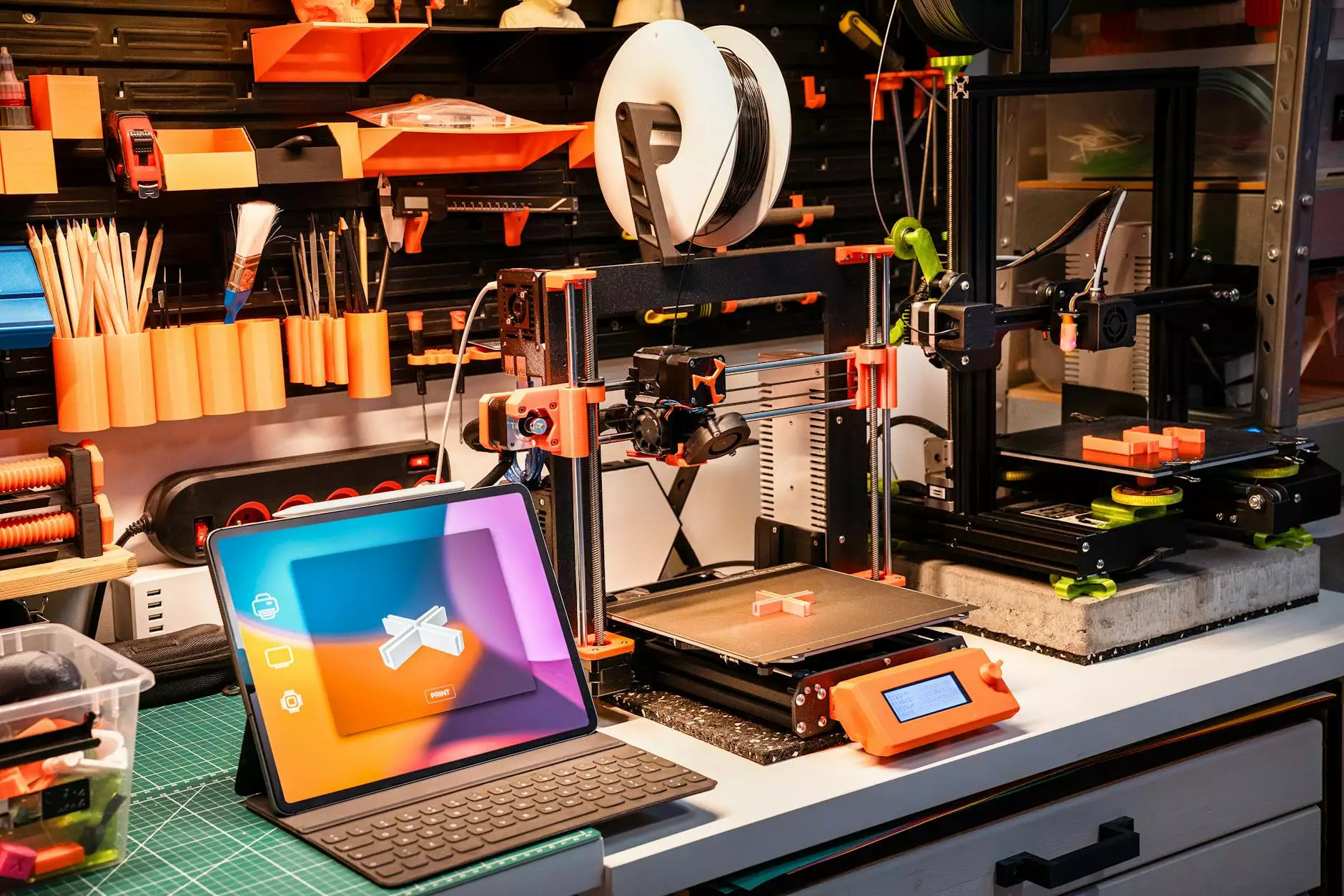
In today’s rapidly evolving industrial landscape, the integration of cutting-edge technologies has become paramount for businesses aiming to stay ahead in competitive markets. Among these innovations, 3D printing stands out as a transformative force, reshaping the way manufacturers develop, produce, and optimize their equipment. At ceksansweepers.com, a leading name in the manufacturing of street sweeper machines, the adoption of 3D printing has unlocked unprecedented levels of precision, customization, and efficiency.
Understanding 3D Printing and Its Role in Manufacturing Street Sweeper Machines
What Is 3D Printing and Why Is It So Impactful?
Also known as additive manufacturing, 3D printing involves creating three-dimensional objects from digital files by depositing material layer upon layer. This process allows for complex geometries, rapid prototyping, and just-in-time production, significantly reducing lead times and costs. When applied to manufacturing street sweeper machines, 3D printing offers several crucial advantages:
- Rapid Prototyping: Quickly transforming digital designs into tangible prototypes for testing and refinement.
- Customization: Creating tailored parts specific to different urban environments or client requirements.
- Cost Reduction: Minimizing material waste and eliminating the need for expensive tooling.
- Enhanced Durability: Using advanced materials that extend the lifespan of critical components.
The Synergy of 3D Printing and Street Sweeper Machine Production
In the context of street sweeper machine manufacturing, this synergy enables the production of complex components such as brushes, nozzles, housings, and specialized fittings with high precision. This integration improves overall machine performance, makes maintenance easier, and accelerates the innovation cycle. As a pioneer in adopting 3D printing, ceksansweepers.com leverages this technology to offer superior, durable, and highly efficient street sweeping solutions tailored to the evolving needs of urban cleanliness.
How 3D Printing Transforms the Manufacturing of Street Sweeper Machines
1. Customization for Diverse Urban Cleaning Needs
Every city has unique requirements for street cleaning based on traffic, infrastructure, and environmental conditions. Traditional manufacturing techniques often involve extensive delays and high costs for custom parts. 3D printing streamlines this process, enabling rapid development of specialized components designed specifically for individual projects. For example, customized brushes or nozzles can be designed to optimize debris recovery in narrow alleyways or busy intersections.
2. Accelerated Development and Testing Cycles
Developing a new street sweeper machine or upgrading existing models can take months if relying solely on conventional methods. Additive manufacturing allows for quick iteration—producing prototypes and functional parts within days. This agility facilitates faster testing, quality assurance, and deployment, reducing project timelines significantly.
3. Material Innovation for Improved Performance
Modern 3D printers utilize a variety of advanced materials such as polymer composites, metal alloys, and high-temperature plastics. These materials provide enhanced strength, wear resistance, and environmental durability, crucial attributes for parts exposed repeatedly to abrasive debris, weather conditions, and mechanical stresses. Consequently, street sweeper machines built with 3D-printed components demonstrate longer service life and superior resilience.
4. Cost-Effective Manufacturing and Maintenance
Traditional manufacturing requires expensive molds, tooling, and large volumes to justify production costs. Conversely, 3D printing offers a low-cost alternative, especially for small batches or parts with complex geometries. Furthermore, on-demand printing reduces inventory costs and simplifies spare parts replacement, making maintenance more efficient and less costly.
Key Technologies and Materials in 3D Printing for Street Sweeper Components
Advanced 3D Printing Technologies
- SLA (Stereolithography): Ideal for producing detailed, high-precision parts like nozzles and housings with smooth surface finishes.
- FDM (Fused Deposition Modeling): Widely used for robust parts such as frames and supports, thanks to its affordability and versatility.
- PBF (Powder Bed Fusion): Suitable for producing metal components like gears, shafts, or brackets requiring high strength and temperature resistance.
- Material Jetting: Capable of creating multi-material, multi-color prototypes and components for specialized applications.
Materials Enhancing Durability and Performance
- ABS and ASA Plastics: Excellent for exterior parts exposed to weather.
- Carbon Fiber Reinforced Polymers: Provide high strength-to-weight ratio for structural components.
- Metals (Stainless Steel, Aluminum Alloys): Used for heavy-duty parts requiring maximum durability.
- High-Temperature Plastics (PEEK, Ultem): Suitable for parts exposed to extreme mechanical stresses or chemical resistance needs.
Benefits of Integrating 3D Printing into Ceksansweepers.com’s Manufacturing Strategy
1. Innovation and Customization
The incorporation of 3D printing fosters continuous innovation, enabling the design of bespoke components that enhance the efficiency and functionality of street sweeper machines. Customers can request tailored solutions that improve debris collection, reduce emissions, or optimize energy consumption.
2. Reduced Lead Times
Rapid prototyping and quick production of spare parts mean that maintenance and repairs are completed faster, minimizing downtime. This responsiveness directly translates into increased productivity and customer satisfaction.
3. Sustainable Manufacturing Practices
Using additive manufacturing reduces material waste drastically compared to subtractive methods. Additionally, the ability to produce parts locally via 3D printing cuts down transportation emissions and fosters eco-friendly operations.
4. Cost Savings and Efficiency
Lower tooling costs, on-demand fabrication, and the ability to produce complex geometries in a single print reduce overall manufacturing expenses, making top-tier street sweeper machines more accessible to municipalities and private contractors alike.
The Future of 3D Printing in Street Sweeper Machine Development
Emerging Trends and Innovations
The continuous evolution of 3D printing technology is set to further revolutionize the production of street sweeper machines. Future developments include:
- Multi-material printing: Combining different materials in a single build for multifunctional components.
- Biodegradable and sustainable materials: For environmentally conscious manufacturing.
- Integration of IoT with 3D-printed parts: Enabling smart, remotely monitored street sweeping solutions.
Enhanced Durability and Complexity
Ongoing advancements will allow for more durable parts capable of withstanding harsher environments and more complex geometries that optimize airflow, debris capture, and machine aerodynamics.
Why Choose Ceksansweepers.com for Your Street Sweeper Needs?
Ceksansweepers.com stands at the forefront of 3D printing innovation in manufacturing street sweeper machines. Their commitment to quality, customization, and technological adoption ensures that clients receive equipment that is not only reliable but also precisely tailored to their unique operational requirements. Their in-house proficiency in additive manufacturing allows for rapid development cycles, cost-effective production, and ongoing innovation to meet the future demands of urban sanitation.
Conclusion: Embracing the Power of 3D Printing for a Cleaner Future
As cities worldwide grapple with increasing infrastructural complexities and environmental concerns, the demand for highly efficient, customizable, and durable street sweeper machines continues to grow. The integration of 3D printing technology by industry leaders like ceksansweepers.com signifies a pivotal shift towards smarter, more sustainable urban sanitation solutions.
By harnessing the capabilities of additive manufacturing, manufacturers can deliver next-generation street sweepers that outperform traditional models in performance, lifespan, and adaptability. Embracing this innovative approach isn’t just a strategic advantage—it’s a necessity for staying ahead in the modern world of business and urban management. The future of street sweeper machine manufacturing is undoubtedly bright, innovative, and deeply rooted in the remarkable potential of 3D printing.
Invest in the latest technology today and be part of the movement shaping smarter cities and cleaner environments for tomorrow.